Your guide to Paris
Paris highlights
Step back in time
Whether you follow in the footsteps of Hemingway or Picasso, make sure your shoes are comfy for historical walking tours on a city break in Paris. Admire Le Pont-Neuf bridge constructed in 1578 and imagine some 2,000 years of stories along one of the city’s oldest streets, Rue Saint-Jacques. The grand Conciergerie, once a royal palace, was Marie-Antoinette’s prison.
Designer fashion heaven
During your short break to Paris, settle in at a sidewalk cafe to see the fabled Parisian fashion scene in action on the streets. For haute couture from the who’s who of luxury brands, look no further than Avenue des Champs-Elysees, one of the streets making up the Golden Triangle. Or for more designer classics, Avenue Montaigne hosts the iconic Dior boutique, along with Louis Vuitton and Chanel.
Mesmerising masterpieces
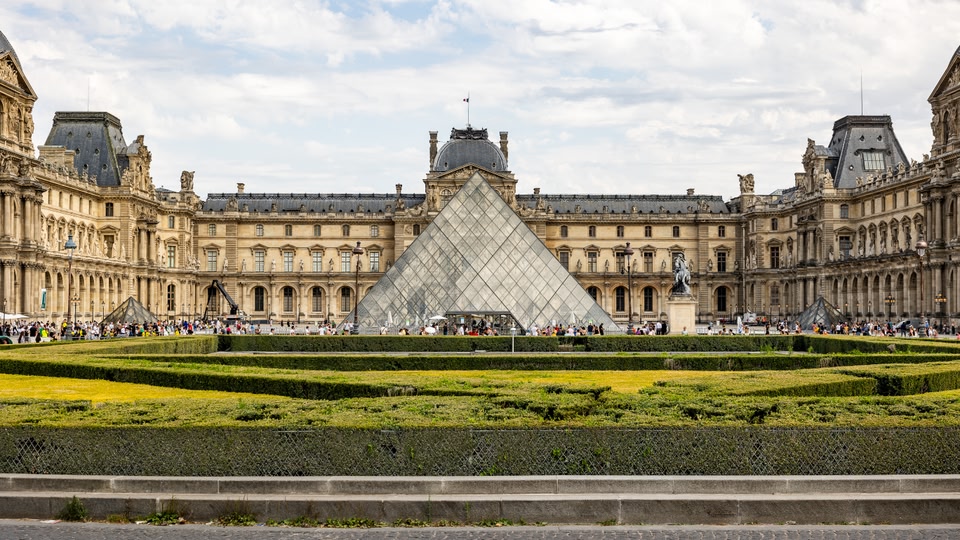
Set aside plenty of time to tackle the Louvre Museum, home of that lady with the intriguing smile, Leonardo da Vinci’s ‘Mona Lisa’. The epic collection also includes Greek sculptures, such as the ‘Venus de Milo’ and the ‘Winged Victory of Samothrace’ at the top of the Daru staircase. After exploring, re-energise with a masterpiece of Parisian patisseries, pain au chocolat (chocolate croissant), at the museum’s eateries.
Paris: Know before you go
| Language | French |
|---|---|
| Currency | Euro (€) |
| Time zone | UTC+1 (CET) and UTC+2 (CEST) |
| High season | June - August |
| Low season | January - February |
Find the best time to go to Paris
Weather in Paris
March – May: The weather in Paris can stay chilly until May, with rain showers often interrupting afternoons. The plus side is the Jardin du Luxembourg is in full bloom.
June – August: Average temperatures of 25°C make the high season the perfect time to enjoy cafe culture ‘en plein air’ (outside). July can see some rain, so don’t forget your umbrella.
September – October: Expect warm days and cool nights — pack layers for the changeable weather. Don’t miss visiting the Bois de Boulogne for some of the city’s best autumn leaves.
November – February: Temperatures hover just above freezing in winter. Christmas is the best time to see the City of Light live up to its name along the Champs-Elysees.
Events in Paris
Nuit des Musées (May): Time your visit with the annual ‘Night of the Museums’. This is when hundreds of museums across the city open their doors for free between 7pm and 1am.
Fête de la Musique (June): Held on 21 June, this music festival welcomes solo performers, bands and orchestras for free concerts across the city.
Bastille Day (July): Join the festivities commemorating the French Revolution. Highlights include a military parade down the Champs-Elysees and fireworks around the Eiffel Tower.
Le Grand Tasting (November or December): A two-day event in Le Carrousel du Louvre showcasing hundreds of winemakers alongside wine courses and tastings.
The best neighbourhoods in Paris
10th Arrondissement
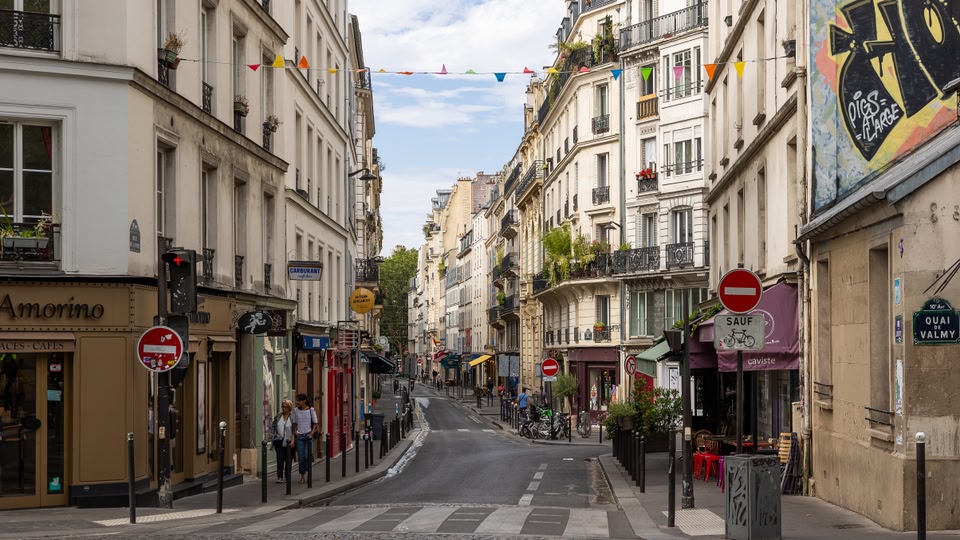
Hang out with locals at the trendy wine bars of Canal Saint-Martin before theatre and live music shows. Home to the busy train stations of Gare de l’Est and Gare du Nord, the multicultural 10th Arrondissement blends Turkish restaurants with colourful saris in Passage Brady shops. Photogenic architecture, such as the triumphal arch of Porte Saint-Denis, is a highlight.
Good for: Entertainment, shopping, international restaurants
9th Arrondissement
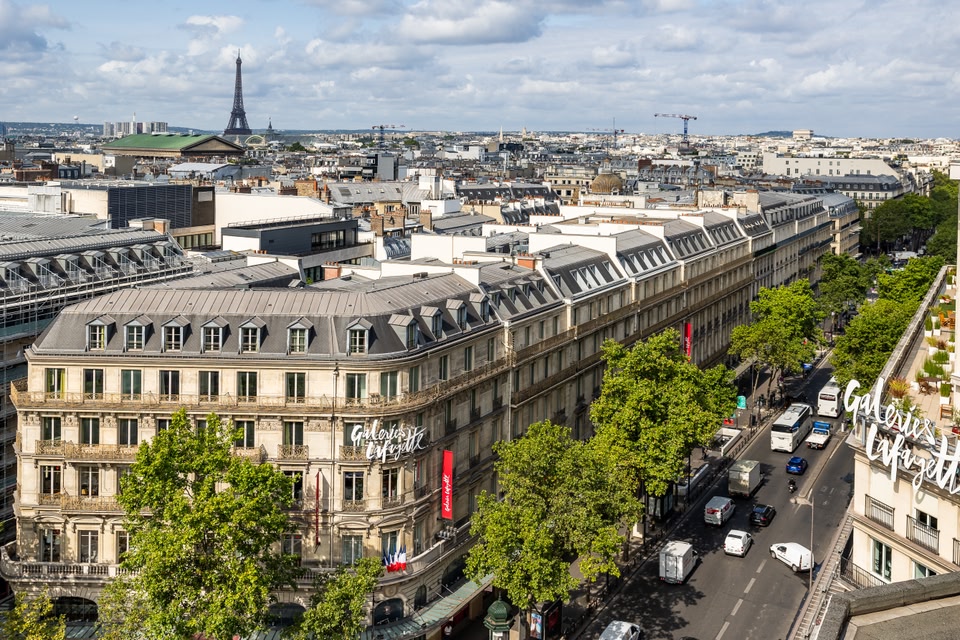
Love elegant department stores and dressing up for the opera? The best area to stay in Paris is the 9th Arrondissement. See the Paris Opera Ballet at the prestigious Palais Garnier and stroll Grands Boulevards for vintage boutiques in covered arcades. Kids love the Musée Grévin wax museum while night owls are drawn to the buzzing Rue des Martyrs.
Good for: Theatre, family attractions, nightlife
8th Arrondissement
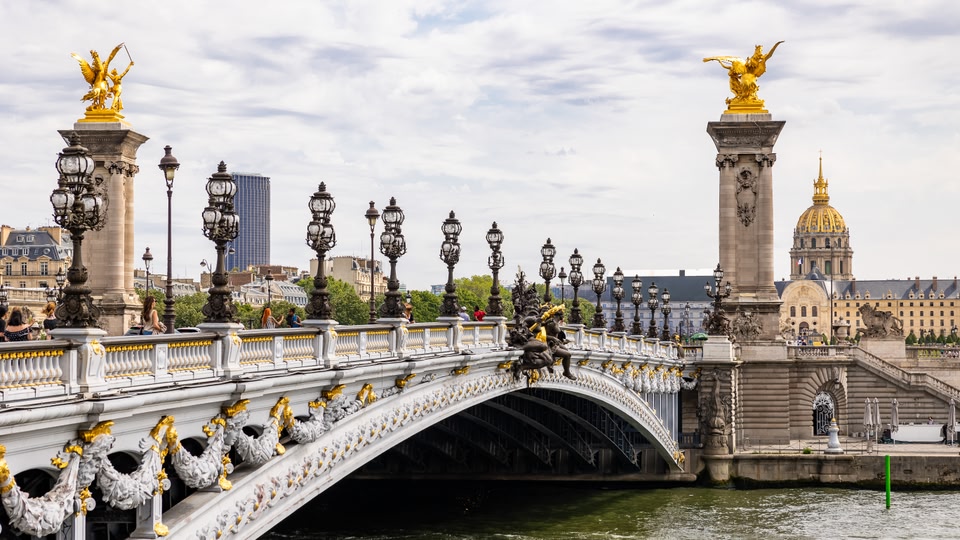
The classic city from postcards greets you in the 8th Arrondissement, the best neighbourhood to stay in Paris for the Arc de Triomphe and the Champs-Elysees. It’s not all about luxury shopping, though. Enjoy spectacular sunsets at Place de la Concorde and go skating in winter under the dome of the Grand Palais. You can’t miss majestic churches, including La Madeleine commissioned by Napoleon.
Good for: Designer shopping, iconic monuments, museums
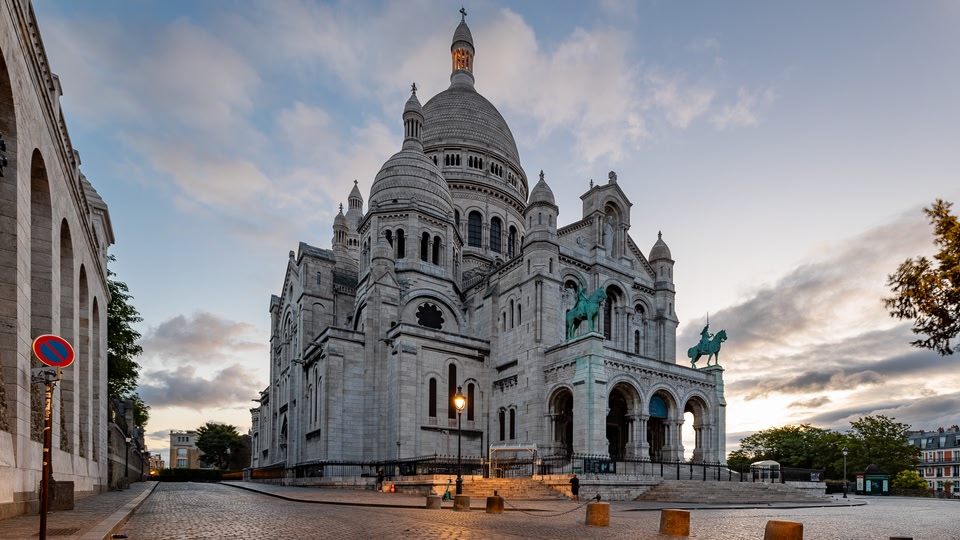
18th Arrondissement
Paris’ bohemian enclave is a stunning mix of cobbled streets, iconic monuments and historic buildings. Catching a cabaret show at the Moulin Rouge is a rite of passage, as is exploring the Musée de Montmartre and dining at Café des Deux Moulins (featured in ‘Amélie’). But you’ll also find hidden green spaces, open-air galleries and multicultural markets in this colourful corner of Paris.
Good for: Cabaret, cafes, markets
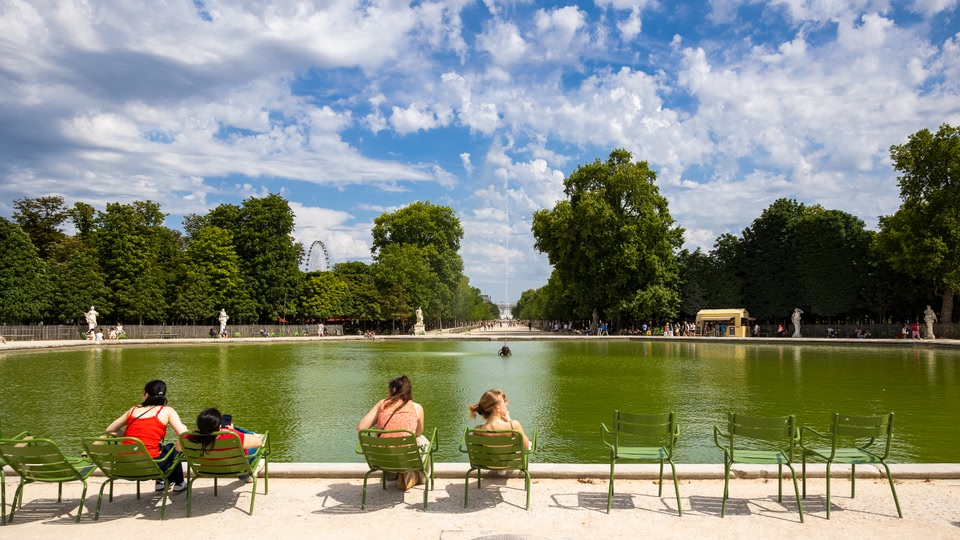
1st Arrondissement
Old World Parisian charm breathes through every corner of the 1st Arrondissement, where royal palaces sit alongside haute couture stores and iconic museums. The Louvre steals the show for its striking architecture and masterpieces like the Mona Lisa, while the Musée des Arts Décoratifs is a must-visit for design fans. And Rue Montorgueil is known for its traditional bakeries, cafes and restaurants.
Good for: Museums, designer stores, historic palaces
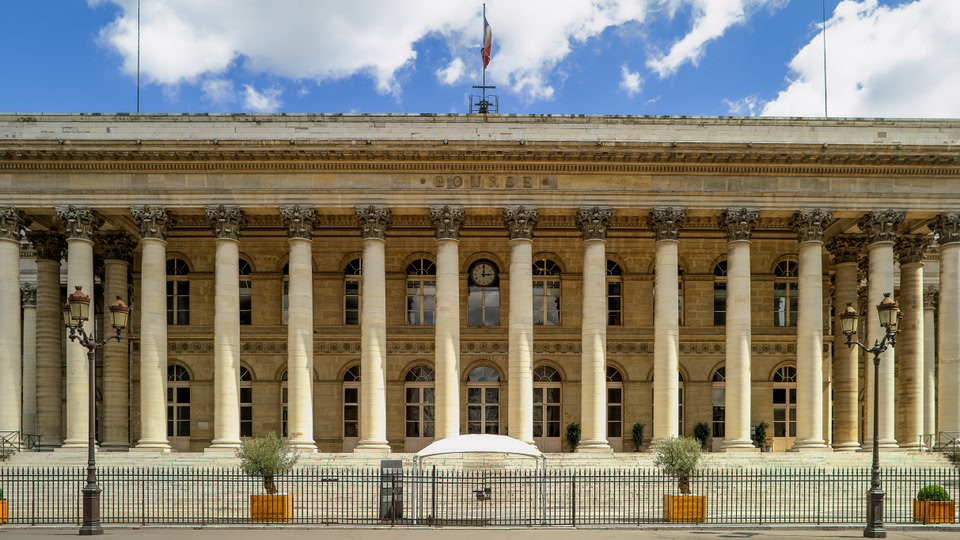
2nd Arrondissement
The 2nd Arrondissement is known for its vintage shopping arcades brimming with restaurants, boutiques and cafes. But there are many other historic gems, from the medieval Tour Jean-sans-Peur palace to the Art Deco Grand Rex cinema and the Place des Victoires with its King Louis XIV statue. For some after-dark entertainment, catch a show at one of the neighbourhood’s renowned theatres.
Good for: Historical architecture, theatres, shopping
Things to do in Paris
Family friendly things to do
There are plenty of things to do with family in Paris to keep everyone happy. Hop on the Disneyland® Paris Express shuttle to Disneyland® Paris for a day of theme-park entertainment. A carousel and fairground rides deliver vintage fun at Jardin d’Acclimatation. Sprawl out for picnics on grassy slopes at Jardin du Luxembourg and let the kids burn off energy in the playground.
Shopping
Hoping the celebrated French fashion sense rubs off on you? Start your shopping in Paris in the Faubourg Saint-Honore district, home to many luxury boutiques. The historic Marais quarter offers a wide range of shopping experiences, but is known for its trendy fashion. Allocate the better part of a day to make the most of the iconic Galeries Lafayette department store.
Take in the culture
From the baroque palaces to the museums in Paris, culture fixes are guaranteed in this city. Get a Paris Museum pass for easier access to the tourist favourites of the Louvre, Musée Rodin and the Grand Palais. Go underground into the labyrinth of tunnels at the Catacombs of Paris. Gaze at Notre-Dame Cathedral and marvel at the massive Arc de Triomphe.
Nightlife
In the mood for glamorous cabaret venues, arty bohemian bars or neon-lit clubs? Nightlife in Paris delivers a dizzying array of options, including Opera in the Bastille or late-night discos. Dress your best for exclusive Champs-Elysees clubs or visit local bars in Montmartre after a show at the Moulin Rouge, the birthplace of the French can-can dance.
Places to eat
You’re never far from your next favourite restaurant in Paris, no matter your budget. Save your appetite for the produce markets and cosy bistros of pedestrian-friendly Rue Montorgueil. The Latin Quarter is the place to go for trendy wine bars and trying fried frog legs. For the traditional cafe terraces of a Parisian market street, choose a seat along Rue Cler.
Free things to do
The best free thing to do in Paris is to simply set out for a stroll. It’s free to pop into the Petit Palais and discover fine art. Visit atmospheric Cemetery Pere Lachaise for Gothic gravestones and the resting sites of The Doors frontman Jim Morrison, and poet and playwright Oscar Wilde. It doesn’t cost a cent to stop and smell the roses at Jardin des Tuileries, one of the city’s most popular green spaces.
Get ready for Paris
Budget
Despite the capital’s glitzy reputation, planning an inexpensive trip to Paris is easy with some careful budgeting. Find a simple meal in a restaurant for as little as 15 euros (€). You can start your day with a coffee for under €5. Taking the city’s public transport will help keep costs down. But if you need a taxi, short rides start at around €15.
Day trips from Paris
Step back in time to Louis XIV’s royal court at the opulent Palace of Versailles, just an hour from Paris by train. And uncork even more French finery in Reims, the capital of the Champagne region, a 45-minute train journey away. Art enthusiast? Take a two-hour bus trip to Giverny, home to impressionist painter Claude Monet’s house, studio and garden.
Getting around Paris
Walking is the easiest way to get around Paris. If the shopping bags are too heavy, public transport includes the Paris Métro, buses, trains and trams. Pick up a Paris Visite Pass for unlimited use of the system. Cycle paths wind through parks with sightseeing along the way. And Vélib' Métropole lets you hop on and drop off almost anywhere.


