Your guide to Toronto
Toronto highlights
Garden city
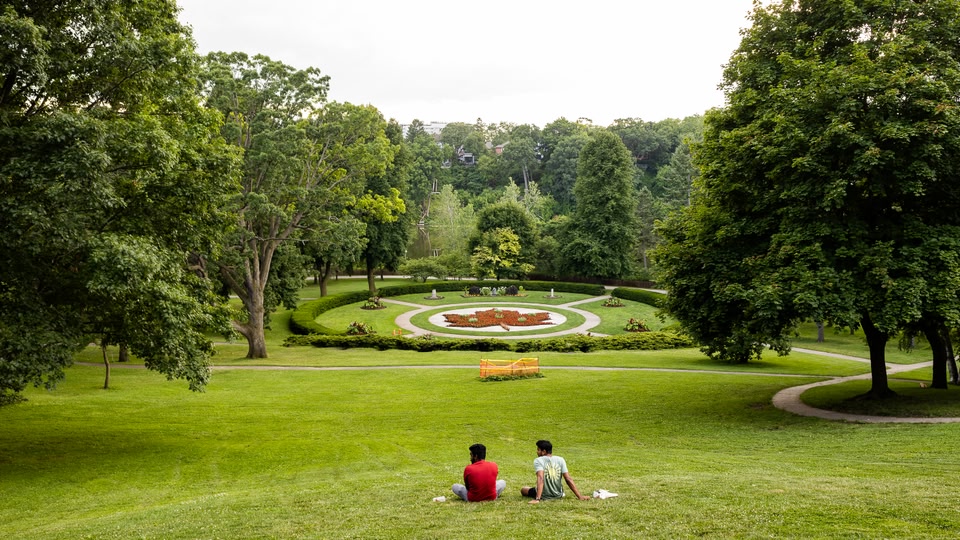
The city is peppered with vast green spaces, providing places to relax during your time in Toronto. High Park is one of the largest, with playgrounds, picnic spots, ponds and cafes. Toronto Music Garden has an otherworldly feeling, with lots of corners to get lost in — the garden design is an interpretation of Bach’s ‘First Suite for Unaccompanied Cello’.
Free culture
Toronto takes culture and creativity seriously, providing lots of free ways to experience it. The Bata Shoe Museum is fun loving and free to enter on Sundays. The Native Canadian Centre of Toronto runs free tours and occasional events. Major concerts like the Toronto Jazz Festival also feature complimentary events.
Graffiti Alley
Toronto is famous for its street art, which you’ll find in many neighbourhoods. Graffiti Alley in the Fashion District is where street art is legal. Many renowned graffiti artists have created murals along this road. Become totally immersed in the art during your stay in Toronto by joining one of the lively street festivals here.
Toronto: Know before you go
| Language | English |
|---|---|
| Currency | Canadian dollar ($) |
| Time zone | UTC-6 (CST) and UTC-5 (CDT) |
| High season | July - August |
| Low season | January - February |
Find the best time to go to Toronto
Weather in Toronto
March – May: Spring in Toronto will be sunny and mild one day, cold and wet the next. Winds off Lake Ontario mean chilly nights, even as the days warm and the trees flower.
June – August: The warm, humid summers send locals flocking to lakeshore beaches. Breezes off the water help cool down sticky nights. Don’t forget your umbrella –– July can see some rain.
September – November: Autumn is usually sunny, with pleasant weather well into September. Temperatures drop in October, right before the leaves change colour.
December – February: Toronto experiences plenty of snowfall in winter. Average temperatures stay below freezing through January and February, with the wind chill making it feel even colder.
Events in Toronto
Toronto Caribbean Carnival (July to August): Join the parade at North America’s largest Caribbean festival. The multi-day celebration also includes nightlife events like pool and dance parties.
Toronto International Film Festival (September): This star-studded film festival draws actors, directors and movie buffs from around the world. Catch screenings and Q&As by celebrity filmmakers.
Royal Agricultural Winter Fair (November): Butter sculptures, dog shows and equestrian competitions take centre stage at this agricultural showcase, going strong for over 100 years.
Cavalcade of Lights (November to January): Toronto brightens up the darkest winter days with this brilliant Christmas light display. Opening night features live music, circus performances and a tree-lighting ceremony.
The best neighbourhoods in Toronto
The Annex
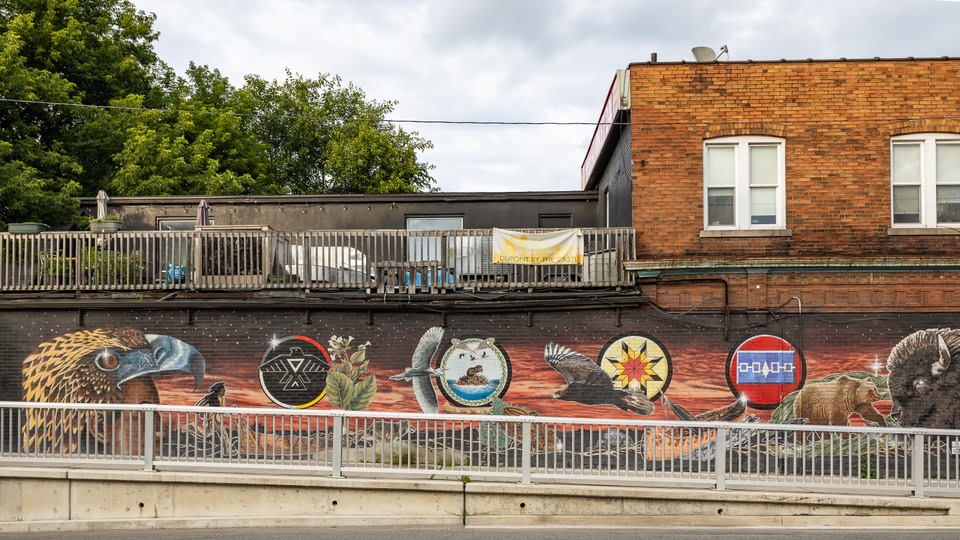
The Annex is an architecture lover’s dream. Stroll along wide, leafy streets lined with red-brick Victorian mansions, once the homes of Toronto’s wealthiest residents. Don’t miss Casa Loma, a grand Gothic Revival–style castle. And after admiring all that architecture? Go from cosy cafes to vintage shops to culture hotspots like Hot Docs Cinema — one of the city’s most historic movie theatres.
Good for: Historic homes, vintage shopping, culture
Entertainment District
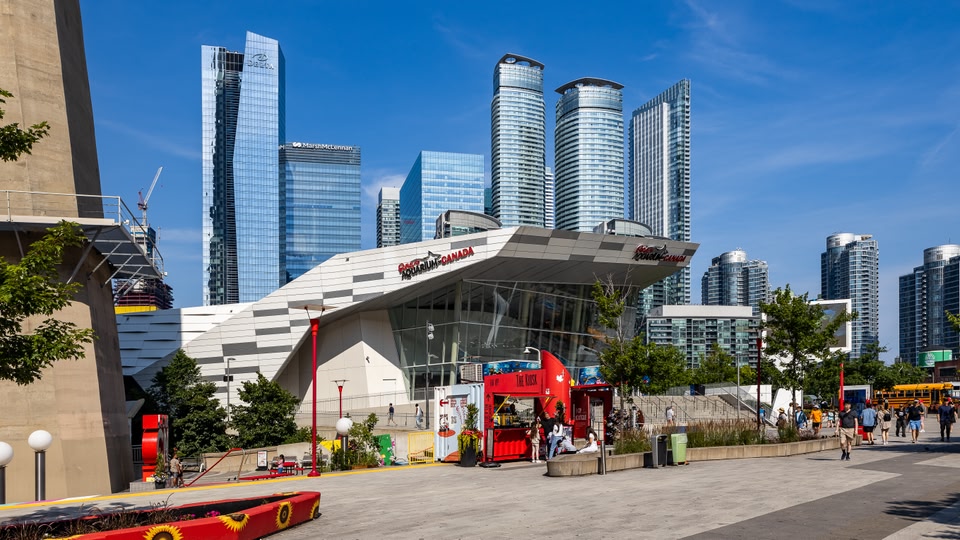
It’s called the Entertainment District for a reason. From the iconic CN Tower to big-name sports stadiums and family-friendly museums, this central district offers a wide variety of things to do. By night, head to King Street West to catch a Broadway-style show at one of the neighbourhood’s historic theatres. Or pick a rooftop bar and see the city lights from up high.
Good for: Sporting events, theatre shows, nightlife
Kensington Market
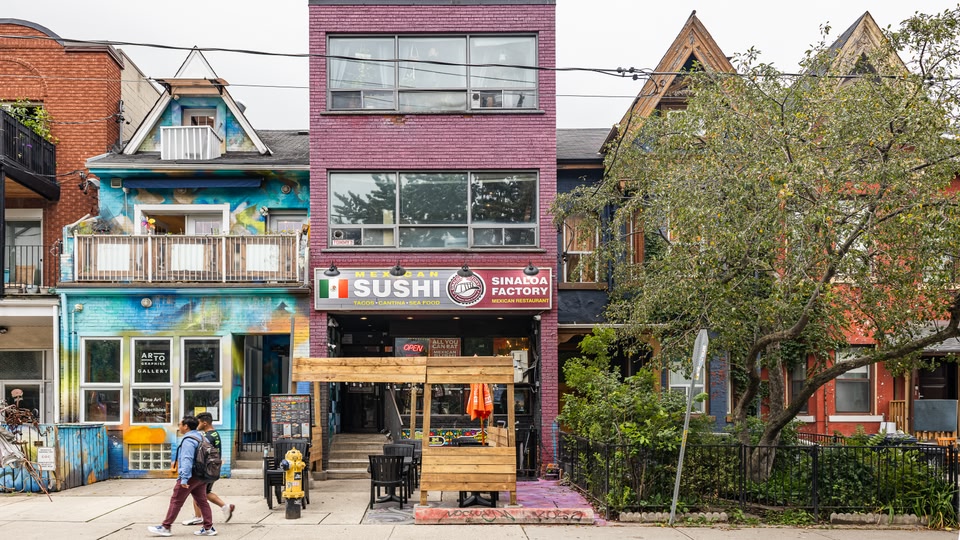
A former Jewish quarter, this small neighbourhood north of downtown is packed full of culture. Think Victorian brownstones alongside colourful street art and markets selling food from all corners of the globe. And you’ll find enough artisan coffee shops to keep you caffeinated around the clock. Make sure you arrive hungry — Kensington Market is home to some of the city’s best eats.
Good for: street art, food markets, coffee

West Humber-Clairville
A pocket of urban living blended with natural beauty, West Humber-Clairville is a quiet neighbourhood on Toronto’s outskirts. The Humber River runs through it, and the lush green trails are spectacular. Original boutiques and diverse ethnic cuisines make shopping and eating a treat too. This is where to stay in Toronto if you like green space and easy access to landmarks.
Good for: Green space, restaurants, shopping
Wellington Place
A central neighbourhood that brings together history and high-end appeal, Wellington Place is an upscale area. Look for chic restaurants and contemporary art galleries, plus plenty of architectural interest in the repurposed old buildings. The Well is a cosmopolitan pedestrianised space for shopping, eating and drinking, making Wellington Place one of the best neighbourhoods to stay in Toronto.
Good for: Eating, nightlife, shopping, central location
Old Toronto
The city’s upbeat downtown area, Old Toronto, pulsates with energy and diversity. Historical architecture stands side by side with modern skyscrapers and the triangular Flatiron Building, giving this area a unique look. Many of Toronto’s must-visit landmarks are here, but you’ll find lesser-known places to discover too. Fran’s Bar Roof Top is one of them — stop here for a milkshake or cocktail.
Good for: Sightseeing, restaurants, bars, central location

Things to do in Toronto
Family friendly things to do
Whether your kids love to be active or learn new things, you can choose from loads of things to do with family in Toronto. Visit the CN Tower for soaring views of the city, or spend a day among 5,000 animals at the Toronto Zoo. Explore the Royal Ontario Museum for world culture, art and nature, and visit the HarbourFront Centre for free outdoor concerts, festivals and events throughout the year.
Shopping
Whether it’s vintage stores or high-end boutiques you love, shopping in Toronto has it all. Visit the chic Yorkville neighbourhood for designer shops and galleries, or explore Kensington Market to find unique pieces of clothing, jewellery and crafts. For a taste of global shopping, Chinatown and St. Lawrence Market have fresh produce, artisanal products and tempting souvenirs.
Take in the culture
A city where more than 200 languages and dialects are spoken, Toronto has a cultural scene infused with internationalism. The galleries, landmarks and museums in Toronto are varied. The Art Gallery of Ontario has an acclaimed collection of Canadian and international art, and historic Casa Loma has a castle and lush gardens to meander through. For a glimpse into the city's past, visit the Distillery District, which is full of Victorian architecture, art galleries and theatres.
Nightlife
With trendy bars, rooftop patios, jazz clubs and music festivals, nightlife in Toronto shows off a whole new side of the city. The Entertainment District puts on big stage shows and concerts. Soak up panoramic views with a drink at a rooftop bar, such as Bar Cana at SOCO. For a lively nightlife experience, head to the King West neighbourhood, where nightclubs, lounges and live music venues reign supreme.
Places to eat
Toronto is a food-lover’s wonderland. At many restaurants in Toronto you can try the classic Canadian dish of poutine (fries, cheese curds and gravy). Eat fresh seafood at Rodney's Oyster House, or dumplings and noodles in Queen West, which also has hallowed craft beer and cocktail spots.
Beaches
Hit the city during the warmer months and you’ll discover several beaches in Toronto. Woodbine Beach is the largest, famous for its volleyball matches and lively boardwalk. Chilled-out Cherry Beach is fab for picnics (grab gourmet sandwiches from Grandma Loves You in the city centre), and Hanlan's Point Beach on Toronto Island looks back at the flawless Toronto skyline.
Get ready for Toronto
Budget
Free museum nights and a long list of free events allow you to sample the city’s arts and culture on your budget trip to Toronto. Grab dinner and then go gallery hopping. A meal at an inexpensive restaurant costs around 25 Canadian dollars ($), and a domestic beer is about $8. Opt for public transport, or take a short taxi ride for about $10.
Day trips from Toronto
Just across Lake Ontario, Niagara-on-the-Lake is sometimes called ‘the prettiest town in Ontario’. Watch a performance at the Shaw Festival Theatre or explore the area’s wineries. Or head north to Georgian Bay on Lake Huron. Wasaga Beach is home to the longest freshwater beach in the world, plus hiking trails and boardwalks.
Getting around Toronto
Toronto’s public transport is fast and well connected. Subways, streetcars and buses connect most neighbourhoods and attractions. Get a reloadable PRESTO card to travel around with ease. Or take advantage of the numerous bike lanes and trails, like the scenic Martin Goodman Trail along the waterfront. Escape the winter weather by going underground to the PATH, a long pedestrian walkway connecting shops and businesses.


