Your guide to Dublin
Dublin highlights
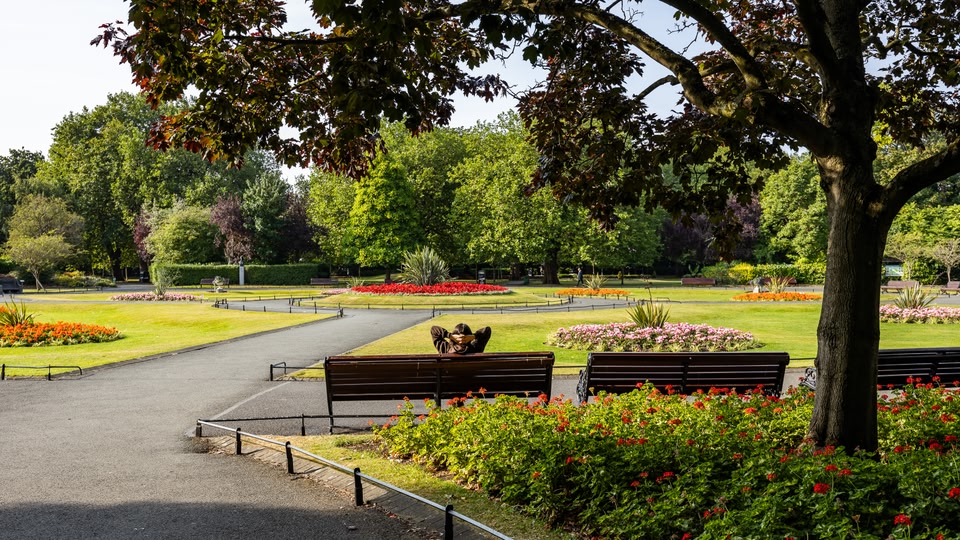
Dublin greenery
Ireland is known for its rolling green countryside, and Dublin celebrates this in its many parks and open spaces. Make the most of this on a weekend break in Dublin by visiting Phoenix Park, one of the largest enclosed parks in Europe. St Stephen's Green and the Irish National War Memorial Gardens are also great spots to relax in nature.
The Icon Walk
Certain streets in the Temple Bar area are home to a community-led art initiative called The Icon Walk. This outdoor artwork tells the stories of influential people from across Ireland, including musicians, sports stars and, of course, poets. To save time on your city break in Dublin, stop at The Icon Factory and grab a map before making your way through this colourful labyrinth of art.
Dublin Castle
Originally a Viking settlement and then the seat of English rule for 700 years, Dublin Castle now stands as a symbol of Irish history and heritage. When you’ve done the castle tour, wander across the road to the Chester Beatty library to explore some art history and to discover the rooftop garden.
Dublin: Know before you go
| Language | English, Irish |
|---|---|
| Currency | Euro (€) |
| Time zone | UTC+0 (GMT) and UTC+1 (IST (Irish)) |
| High season | July - September |
| Low season | January - February |
Find the best time to go to Dublin
Weather in Dublin
March – May: Spring is Dublin’s sunniest season, and the city parks turn emerald green. Temperatures remain cool to mild, then perk up the later you get into May.
June – August: Summer weather is comfortable without ever getting too hot. The hottest months are July and August, when the streets fill with colourful outdoor events. Don’t forget your umbrella — August can be a wet month.
September – November: Early autumn offers some unexpectedly warm days in the city. But by mid-October, expect temperatures to drop suddenly.
December – February: Dublin’s winter is cold and damp, but there’s no better time to enjoy the warm welcome in its pubs.
Events in Dublin
St Patrick’s Festival (March) : There’s no greater celebration of Irish heritage than Dublin’s St Patrick’s Festival. The four-day event ends in a parade of floats, and the party goes on long into the night.
Bloomsday Festival (June): What other city would take an entire week to honour a novel? Immerse yourself in the ultimate tribute to James Joyce’s ‘Ulysses’ as the streets fill with fancy dress, readings and re-enactments.
All-Ireland finals (July): Hurling and Gaelic football are two fast-paced field sports unique to Ireland. Grab a seat and witness their seasons climax over consecutive weekends. The finals at the 82,000-seater Croke Park stadium are always a sellout.
The best neighbourhoods in Dublin
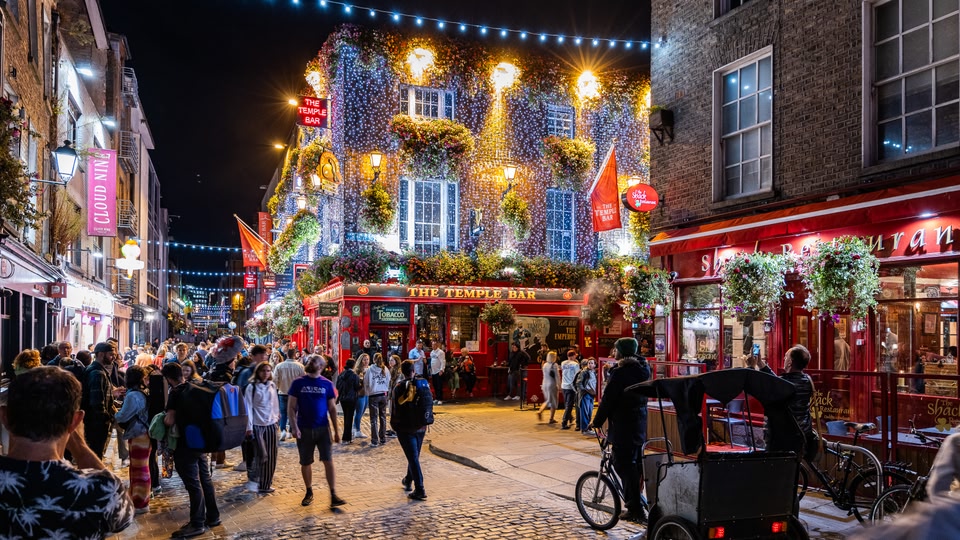
Temple Bar
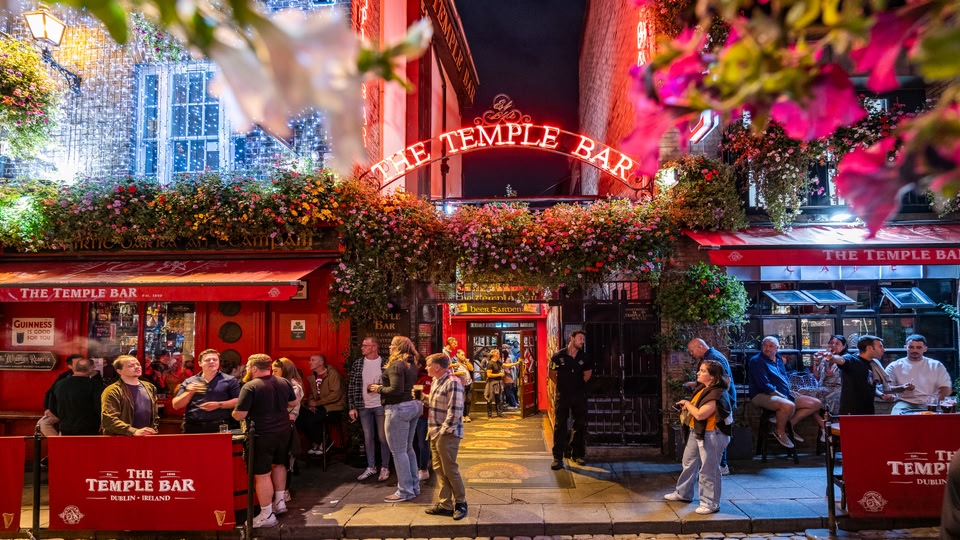
Temple Bar is bursting with traditional Irish pubs offering live music and great people-watching. It’s the best neighbourhood to stay in Dublin if you want to be in the heart of the city’s nightlife and cultural quarter. Check out galleries such as the National Photographic Archive and dine at award-winning restaurant Uno Mas, along with other great restaurants serving local pub food.
Good for: Nightlife, culture, restaurants
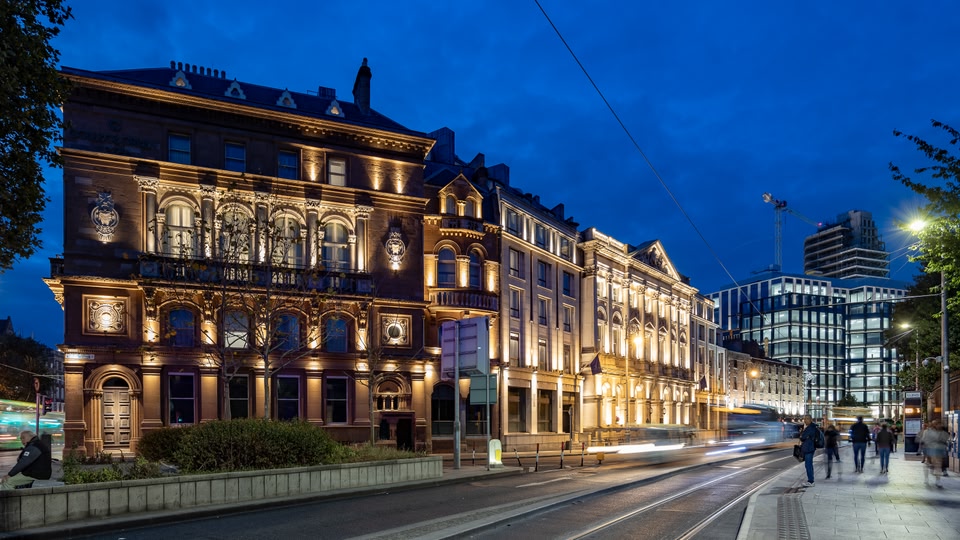
Trinity College
The best area to stay in Dublin if you love a little intellectual grandeur, this neighbourhood centres around Trinity College, Ireland's oldest university. Stroll through its historic cobblestoned campus and admire the Georgian architecture. Don’t miss the iconic Book of Kells housed in the majestic Old Library. The Trinity College lawn is a tranquil spot favoured by students for a study break.
Good for: Architecture, green space, campus life
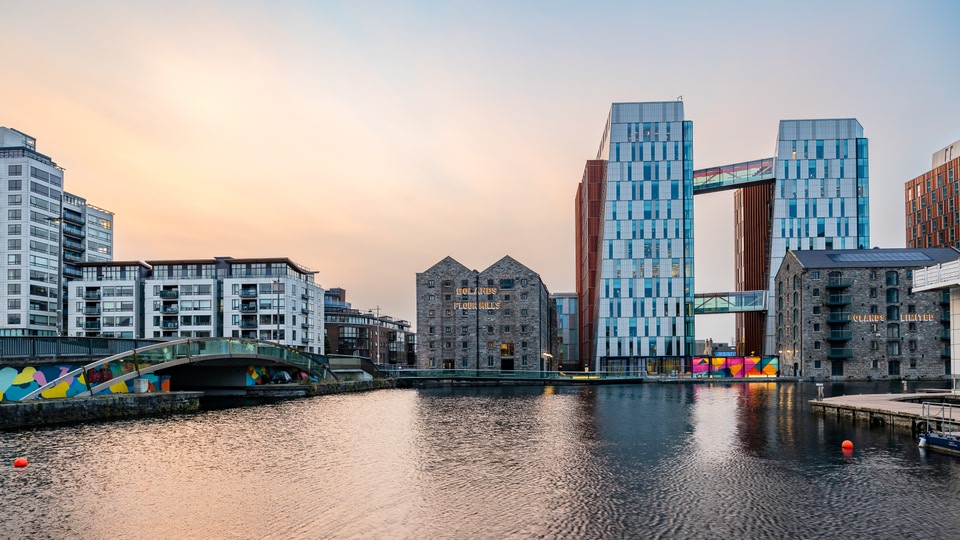
Grand Canal Dock
Dubliners call this area the ‘Silicon Docks’ due to the bustling tech scene, but it’s certainly not without culture or dining hot spots. If you’re interested in performing arts, this is the best neighbourhood to stay in Dublin to see a show at the Bord Gais Energy Theatre. EPIC The Irish Emigration Museum and the National Gallery of Ireland can also be found here.
Good for: Restaurants, theatre, museums
Things to do in Dublin
Free things to do
On a budget? Don’t let that put you off, as there are many free things to do in Dublin. All the government-run museums in Dublin are free; try the National Museum of Ireland-Natural History or the National Gallery of Ireland for starters. Stroll across the grand old Ha’penny Bridge and join one of the many free walking tours.
Beaches
Whether it’s for a brisk winter walk or a sunny picnic, Dubliners love to spend time at the beach. There are plenty of beaches in Dublin to choose from. Sandymount Strand is the closest to the city centre, and Portmarnock Beach is sheltered and lovely for paddling in. Killiney Beach and the Howth Cliff Walk boast gorgeous coastal trails and cliffs.
Shopping
Grafton Street is the city’s high-end shopping district, while Temple Bar is the place for handmade jewellery, artwork and vintage clothes. Shopping in Dublin would not be complete without a visit to the Aran Sweater Market, known for high-quality woollen clothing. They will ship goods directly to your home, so you can save room in your suitcase.
Take in the culture
Dublin is undoubtedly a cultural capital, with countless museums, galleries and historical landmarks. Visit the Guinness Storehouse, which is all about the art of brewing Ireland's most famous export. Other museums in Dublin worth visiting include the National Museum of Ireland, the Museum of Literature Ireland and the Little Museum of Dublin, which is housed inside a stunning Georgian townhouse.
Places to eat
Whether it’s a hearty Irish dinner you’re after or world-renowned haute cuisine, Dublin will deliver. One of the best restaurants in Dublin is L. Mulligan Grocer, an award-winning gastro pub that serves farm-to-table ingredients. Michelin-starred Chapter One offers a high-class dining experience, while Temple Bar Food Market on a Saturday has a low-key vibe with local vendors from around Ireland.
Nightlife
Known for its lively pub culture and nightlife, Dublin always offers something tempting to do after dark. Temple Bar is a locally loved hot spot whether you prefer to catch some live music or go clubbing. More nightlife in Dublin can be found around O’Connell Street and Harcourt Street, where there are trendy nightclubs and rooftop bars – such as Sophie’s – with fab city views.
Get ready for Dublin
Budget
Ireland is famous for its generous hospitality, so it’s not hard to enjoy an inexpensive stay in Dublin. You can get a coffee for around four euros (€) and an inexpensive meal for €20. A pint of Guinness will cost you around €7. Pick a pub hosting a live music session, and you’ll get your entertainment thrown in for free!
Day trips from Dublin
An hour’s drive takes you to the stunning valley of Glendalough and the rugged glory of the Wicklow Mountains, complete with the haunting ruins of an ancient monastery. Even closer to the city is Powerscourt Estate, with its splendid gardens and spectacular nearby waterfall. Brú na Bóinne, a neolithic site whose tombs are older than Stonehenge, is an hour north.
Getting around Dublin
Dublin’s public transport system is well connected and reliable. Purchase a TFI Leap Card to pay for buses, trains and the Luas tram easily. Download the TFI Live App to plan your journeys. The bike-sharing scheme is another convenient way to travel during your city break in Dublin, as nothing in the city centre is too far away.


