Your guide to Denmark
Top destinations in Denmark
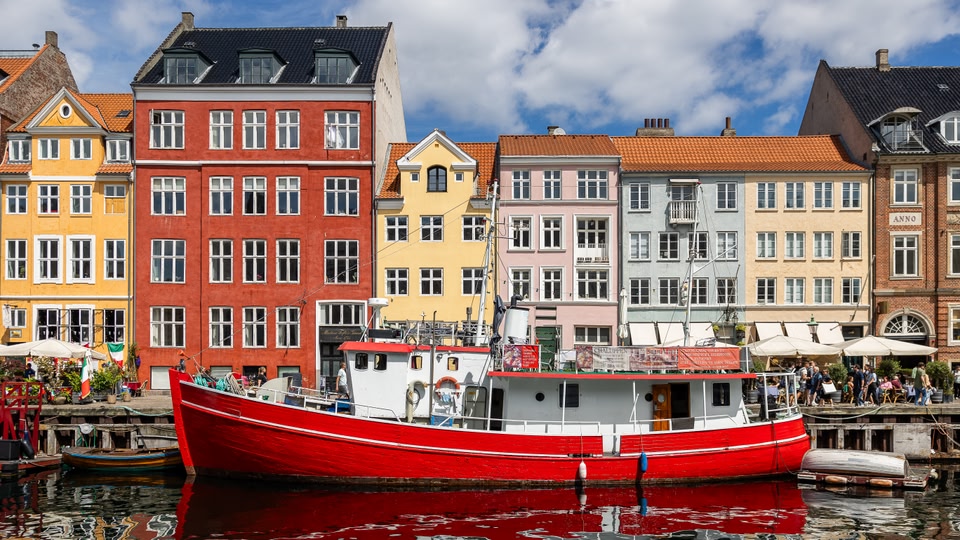
Copenhagen
Copenhagen is famously easy to navigate and friendly to first-time visitors. Denmark’s capital brings diversity and excitement with a mixture of music, food, art, cycling and nature.

Odense
Step into the storybook charm of Odense, where fairy tales come alive. Explore colourful lanes, historic homes and big-city culture in Denmark’s most imaginative city.

Aarhus
Denmark’s second city delivers first-class charm. And with tons of museums, a top-notch culinary scene and nature on its doorstep, Aarhus gives you plenty to smile about.
Denmark: fast facts
| Language | Danish |
|---|---|
| Currency | Danish krone (kr) |
| Time zone | UTC+1 (CET) and UTC+2 (CEST) |

Denmark highlights
Castles and palaces
You could spend your whole trip exploring Denmark’s grand palaces and castles. Copenhagen alone has some of the best, including Amalienborg Palace and Rosenborg Castle. For a fine example of Renaissance architecture, check out Frederiksborg Castle in Hillerød. Helsingør’s Kronborg Castle was the setting for Shakespeare’s ‘Hamlet’, and you won’t find a prettier castle than Egeskov on Funen, with its narrow spires.
Viking history
Soaking up Viking history is one of the best things to do in Denmark. Visit UNESCO-listed Viking ring fortresses — Trelleborg and Fyrkat have reconstructed villages and genuine artefacts on display. Or check out Lindholm Høje, a burial site overlooking Aalborg. In Denmark’s oldest town, Museum Ribes Vikinger is popular with families. And the recreated Viking settlement Ribe VikingeCenter has demonstrations from costumed re-enactors in summer.
Comfort culture
The Danish concept of ‘hygge’ is difficult to define but easy to recognise. It’s sipping a mug of warm ‘gløgg’ (mulled wine) at Tivoli’s Christmas markets or strolling through Odense’s cobbled old town in spring. It’s enjoying a summer picnic in Copenhagen’s King’s Garden and sitting in a candlelit cafe in Aarhus’s Latin Quarter, feeling comfortable and content as the autumn rain patters the roof.
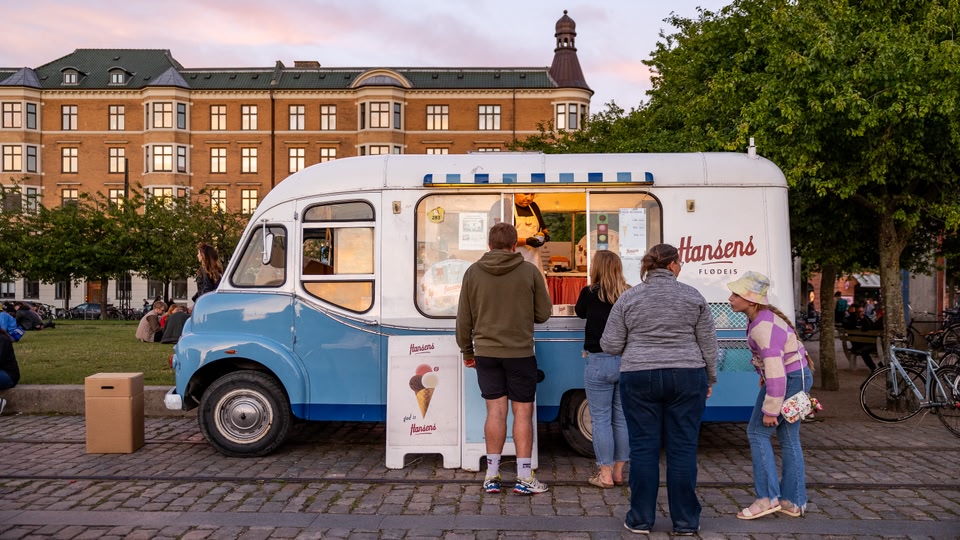
Things to do in Denmark
Top attractions
With classic rides and fairground games, Tivoli Gardens in downtown Copenhagen has been entertaining visitors since 1843. To see genuine 11th-century Viking ships, head to the Viking Ship Museum in Roskilde. If you can only visit one of the country’s fairy-tale castles, make it Rosenborg Castle. Besides its opulent interiors and manicured gardens, it’s also home to Denmark’s crown jewels.
Family friendly
Denmark is the birthplace of LEGO. Find the original LEGOLAND and the LEGO House experience centre in the southern town of Billund. Step back in time, from the days of Hans Christian Andersen to the days of Blockbuster Video, at Den Gamle By living museum. Or travel through the life and stories of Denmark’s most famous author at the interactive HC Andersen House in Odense.
Beaches
For family-friendly sands, head to Jutland’s west coast — Søndervig Beach and Blåvand Beach are longtime favourites. Closer to Copenhagen, beach towns like Hornbæk and Tisvildeleje are just a 45-minute drive away. And Marielyst Beach in South Zealand is often listed as one of Denmark’s best beaches. Fancy a surfing trip? Klitmøller in North Jutland Region is known as ‘Cold Hawaii’.
Nature
At Wadden Sea National Park, spot seals, collect oysters and — if you’re lucky — witness the ‘Black Sun’ when a million starlings flock across the sky. The white cliffs and turquoise waters at Møns Klint are as beautiful as they are fascinating. Grenen sandspit in Skagen is where the North and Baltic seas meet. It’s a tradition to stand with one foot in each.
Cuisine
Keep it simple with oysters straight from the Limfjord. Or splurge on New Nordic cuisine in world-famous restaurants in Denmark. For lunch, try ‘smørrebrød’ (open-faced sandwiches piled with toppings) or the national dish, ‘stegt flæsk med persillesovs’ (fried pork with parsley sauce). Head to a bakery for treats like ‘flødeboller’ (chocolate-coated marshmallow puffs), ‘kanelsnegl’ (cinnamon rolls) and ‘lagkage’ (layer cake).
Culture and museums
For a deep dive into Danish history, the National Museum is one of the best museums in Denmark. In Aarhus, don’t miss ARoS — especially ‘Your Rainbow Panorama’, a circular walkway with sweeping views of the city. See Denmark’s ‘birth certificate’ at the Viking monument site in Jelling, where 1,000-year-old runestones include the earliest written record of Denmark’s name.
Find the best time to visit Denmark
Weather in Denmark
April – May: Spring can be slow to arrive, but it’s gorgeous when it does. Cherry blossoms and tulips bring colour to the country. This is the time to visit without the crowds — just be sure to pack layers.
June – August: Summer brings the tourists, while locals head to the beaches. With pleasant temperatures and water warm enough to swim in, you’ll want to join them.
September – November: Autumn tends to be windy and rainy, but it’s also the perfect time to enjoy a city break in places like Copenhagen or Aarhus.
December – March: Denmark’s castles look even prettier under a layer of frost and snow. Winter temperatures average around freezing, so pack warm clothing.
Events in Denmark
Dining Week (February and October): For two weeks during the year, you can indulge at some of Denmark’s best restaurants, with specially created menus at fixed low prices.
Roskilde Festival (June and July): This iconic music festival is one of the largest in the world. Over its 50-year history, it’s welcomed acts from Bob Marley to Metallica to Charli XCX.
Trelleborg Viking Festival (July): Travel back in time to the days of the Vikings at this annual festival. Try Viking food, visit the Viking market, and witness a historic battle.
Aarhus Festival (August and September): Denmark’s artsiest city lives up to its reputation with ten days of art, entertainment and food events across the city.
Know before you go
Local etiquette
Equality is important in Denmark, so good manners mean respecting others. Keep your voice down in public, wait your turn in line, and try to always be on time — punctuality is taken seriously, even for tours. Recycling is expected, so sort your waste properly. Small acts of courtesy go a long way here.
Health and safety
Make sure you’re up to date with your regular vaccinations and boosters before you travel. And if you plan on visiting Denmark’s forests, you may also want to get a vaccination for tick-borne encephalitis. Cases have been reported in a few places, so check to see if you’re going to an at-risk area.
LGBTQ+ travel
Denmark has a long history of being one of the most progressive and LGBTQ-friendly countries in the world. Copenhagen is a particular hotspot for queer culture, with Pride events in August and February and the annual MIX Copenhagen film festival. Centralhjørnet in the city’s Latin Quarter is said to be the world’s oldest gay bar.
Budget
With a bit of planning, you can visit Denmark on a budget. A meal at an inexpensive restaurant is about 150 Danish kroner (kr.), but street food markets are a popular and more budget-friendly alternative. A short trip in a taxi will set you back about kr.75, though the country’s efficient public transport is much cheaper.

Getting around Denmark
Public transport
Buses: Regional buses connect major cities with small towns and even rural villages. They can often fill in gaps not covered by trains. For long-haul trips or to travel to nearby countries, private coach companies like FlixBus have you covered.
Trains: This is a great option for long-distance journeys. The rail network, operated by DSB, is well connected, allowing you to travel easily between major cities and towns across Denmark and even into southern Sweden. Purchase an ‘orange ticket’ to travel cheaply. Trains are very popular, so you may want to book a seat in advance.
Boats: Ferry travel can be a convenient way to journey between Denmark’s islands. Some of the most popular routes connect Zealand, where Copenhagen is located, to Bornholm island and the Jutland peninsula.
Domestic flights
Denmark has several airports running daily flights. Due to the country’s small size, most domestic flights are quite short. Unless you’re pressed for time, you’ll likely find the train or bus a more convenient and cheaper way to travel across Denmark.
Driving
Driving in Denmark is simple. Driving is on the right, and motorists always yield to cyclists. Speed limits are signposted in kilometres per hour.


