Your guide to Bolivia
Top destinations in Bolivia

Santa Cruz
Welcome to Santa Cruz, Bolivia’s largest and liveliest city. Come admire historical colonial buildings and stroll through buzzing squares filled with food stalls.

La Paz
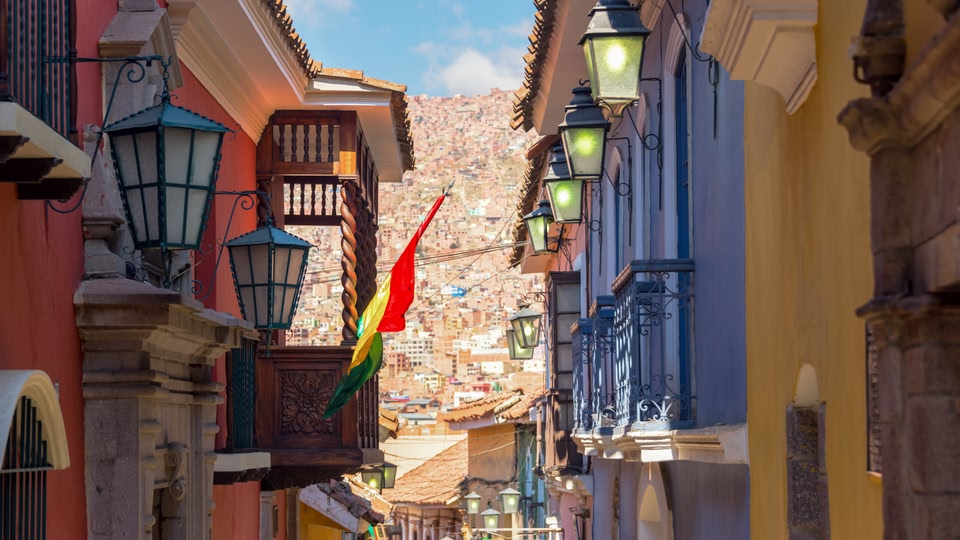
Perched atop the world, La Paz is a place of sweeping mountain vistas. But up close, you’ll find Baroque churches, delicious street eats and a rainbow of colourful houses.

Uyuni
Adventure lovers, take note. This small Bolivian town puts you front and centre for the world’s largest salt flat — a mesmerising, icy-white landscape that stretches endlessly.
Bolivia: fast facts
| Language | Spanish, Quechua, Aymara |
|---|---|
| Currency | Boliviano (Bs) |
| Time zone | UTC-4 |
Bolivia highlights
Eerie salt flats
Salar de Uyuni is one of the most jaw-dropping things to see in Bolivia. At more than 10,500 square kilometres, it’s the world’s largest salt flat. During dry weather, it resembles a vast, white moonscape. And during the rainy season, a shallow layer of water turns it into a gigantic, sparkling mirror. No wonder it’s such a popular spot for photographers.
Historic street markets
For a potent dose of Bolivian culture, hit up La Paz’s ‘Mercado de las Brujas’ (Witches’ Market). The bustling market specialises in folk remedies and amulets. You’ll find plenty of fortune tellers and traditional healers on hand, plus stalls selling Andean textiles and local crafts. The area is adorned with murals and hundreds of umbrellas overhead.
Ancient ruins
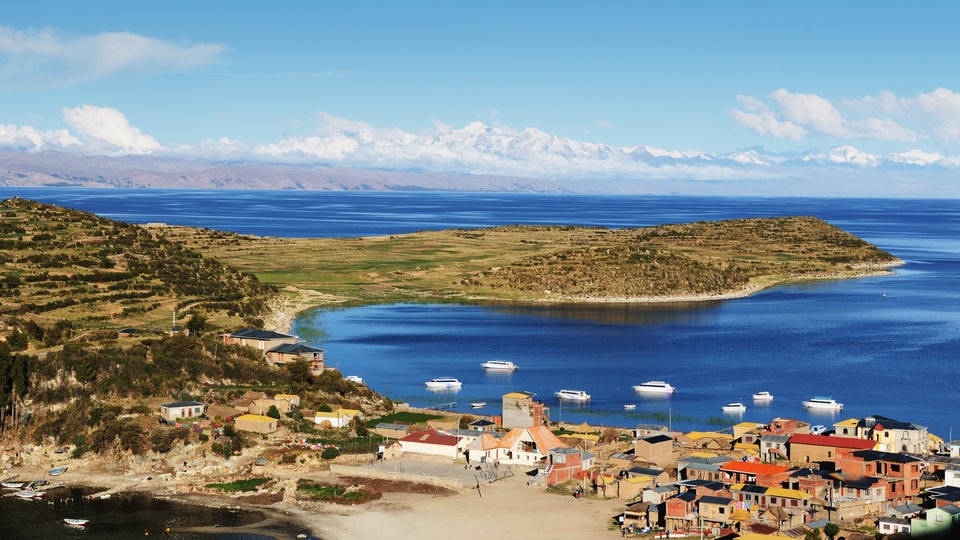
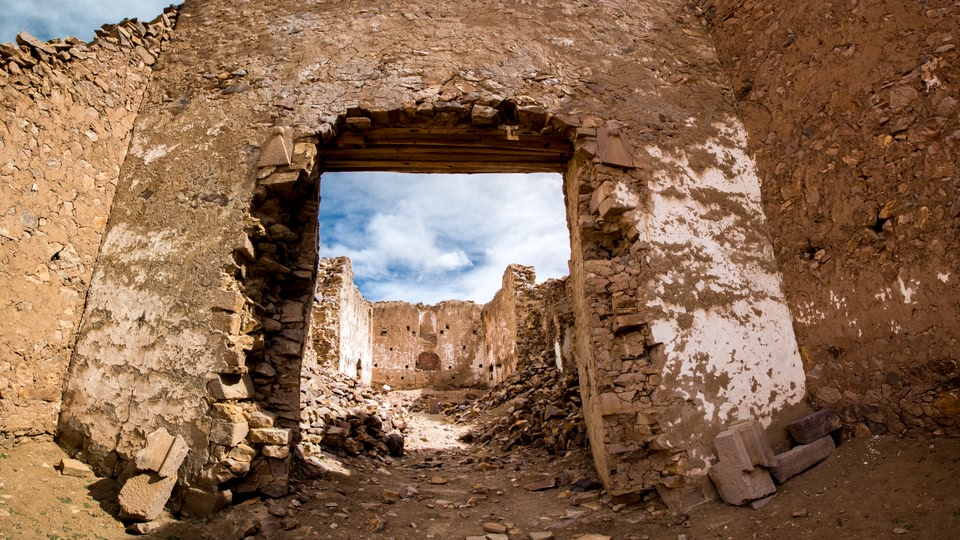
A ferry ride from the town of Copacabana brings you to Isla del Sol, the 14-square-kilometre island in Lake Titicaca. You won’t come across any cars or paved roads here. Instead, the hilly island is crisscrossed with hiking paths that you can explore for hours on end. Isla del Sol is also home to 80 ancient ruins — the Incas believed Inti, the sun god, was born here.
Things to do in Bolivia
Top attractions
Join a multi-day tour to explore the stunning expanse of Salar de Uyuni, including incredible stargazing and flamingo sightings on Laguna Colorada. See where the Andes touch the Amazon in Madidi National Park and spy macaws, capybaras, sloths and jaguars. For something unexpected, try to catch a ‘Cholitas’ (Indigenous women) wrestling show at El Alto in La Paz.
Beaches
Though it’s one of only two landlocked countries in South America, Bolivia has beaches along its rivers and lakes. One of the best spots for sunbathing is in Copacabana, on the shores of the continent’s largest lake, Lake Titicaca. Its crystal-clear waters are famously cold and not for fainthearted swimmers.
Nature
Valle de la Luna resembles an enormous drip sandcastle. Located less than 30 minutes south of La Paz, this craggy expanse of clay and sandstone canyons has two walking routes — and countless opportunities for amazing selfies. The paths have steps and footbridges, and the longer route takes less than an hour or so for a round trip.
Culture and museums
For some of the best museums in Bolivia, walk the narrow, colourful Calle Jaén in La Paz. The street is home to five intimate museums. See unique flutes, guitars and more at the fascinating Museo de Instrumentos Musicales — don’t miss the armadillo guitar. For a touch more glitz and glam, swing by the Museo de Metales Preciosos for its collection of pre-Columbian artefacts.
Cuisine
Markets and restaurants in Bolivia are destinations in and of themselves. Among the country’s most famous dishes are ‘choripanes’ (sausage sandwiches), ‘salteñas’ (meat empanadas) and ‘anticuchos’ (beef heart kebabs). For a world-class meal, consider Gustu in La Paz, where the dishes and drinks are made entirely from Bolivian ingredients.
Family friendly
Island-hop across Lake Titicaca to explore Andean ruins — Isla del Sol, Isla de la Luna and Pariti Island are some of the best. Near Sucre, Parque Cretácico showcases thousands of real dinosaur tracks and a life-sized replica of a carnotaurus. For otherworldly views, walk through Valle de la Luna, where wind and water have carved strange, sculptural landscapes.
Find the best time to visit Bolivia
Weather in Bolivia
May – October: Bolivia’s winter dry season experiences mostly sunny days across the country. Occasional rain still falls in jungle regions. At higher altitudes, including the salt flats, temperatures can drop sharply, especially when Patagonian winds blow through. Be sure to pack layers to stay warm.
November – April: Summer is the wet season, with plenty of rain, humidity and mosquitoes in the lowlands. Flooding is common, so be mindful if you’re travelling the country by road. You’ll still experience rain around Lake Titicaca, La Paz and Sucre, but the storms are much milder than elsewhere in Bolivia. Expect green, flowering countryside and pleasant evenings.
Events in Bolivia
Carnaval de Oruro (February): What began as an Indigenous tradition is now a 10-day celebration of Andean, Indigenous and Catholic cultures. The highlight is the Dance of the Devils, where thousands of costumed dancers and musicians parade through the city of Oruro.
Machaq Mara (June): This important holiday marks the Aymara New Year and the winter solstice. Join crowds at the Tiwanaku ruins at sunrise, where spiritual leaders welcome the sun and offer thanks to Pachamama in a traditional Andean ceremony.
Día de Todos Santos (November): The Day of All Saints is a national holiday and a chance for families to honour the souls of the dearly departed. Favourite foods, liquor, photos and wreaths are laid on altars and at their graves.
Know before you go
Local etiquette
Bolivia is home to 36 recognised Indigenous nations, each with distinct customs. Learn about the cultures in the regions you visit, and avoid using terms like ‘Indios’. Dress modestly, especially in the highlands, and greet elders as ‘señor’ or ‘señora’. Use formal titles when speaking with officials or community leaders.
Health and safety
Talk to your doctor if you’re heading above 2,500 metres — altitude sickness can be serious at high elevations. A yellow fever vaccination is recommended before visiting Bolivia, along with precautions against insect-borne illnesses like Zika, malaria and dengue. Bring repellent, wear protective clothing and choose lodgings with mosquito nets when possible.
LGBTQ+ travel
Bolivia legalised same-sex unions in 2023. This was a major milestone for the LGBTQ+ community, though conservative attitudes still prevail, especially outside major cities. That said, both La Paz and Santa Cruz have small but growing queer scenes, with bars, clubs and events if you know where to look. Discretion is advised, particularly in rural areas.
Budget
It’s easy to find budget options in Bolivia. Start the day with a cappuccino for less than 18 bolivianos (Bs.), or grab a beer in the afternoon for just about Bs.12. If you’re hungry for a full meal, restaurant dinners can be found for as little as Bs.20.
Getting around Bolivia
Public transport
Buses: Buses are everywhere in Bolivia. Companies like Bolivia Hop, El Dorado and Trans Copacabana connect most major cities and towns. Roads are unpaved and winding. Pay the premium for ‘cama’ tickets (reclining seat) for extra comfort, and always keep your valuables on you.
Trains: Originally developed to assist with trade, Bolivia’s rail network now offers two passenger lines, mostly targeted at tourists. You can ditch the hairy bus routes in favour of scenic rail rides between Oruro and Tupiza, as well as Santa Cruz to Puerto Suárez.
Boats: Although Bolivia is a landlocked nation, boat travel is crucial for navigating Lake Titicaca and the waterways of the Amazon. Numerous companies operate out of Copacabana, with routes to the islands and Puno. For Amazon charters or larger boat tours, head to Trinidad and Rurrenabaque.
Domestic flights
Flying is a faster and more appealing alternative to long-haul buses. Local carrier Boliviana de Aviación offers a reasonable number of domestic routes.
Driving
Lax road rules and poor conditions make hiring a car in Bolivia a challenge. If you’re set on the idea, look to a reputable local company and book a trusted driver.


